
STAINLESS STEEL STUD BOLTS
- Home
- Exotic Metal Fasteners
- Stainless Steel Stud Bolts
Sunmach offers Stainless Steel Stud Bolts for industrial fastening, piping connections, machinery, fabrication, and engineering applications, subject to product availability. Stud bolts are threaded fasteners designed to work with compatible nuts to secure flanges, equipment components, and other assemblies where a stud-type connection is required. Stainless Steel Stud Bolts are valued for their corrosion resistance, strength, and versatility across a range of operating environments. Depending on the application, they may be specified in stainless steel grades such as SS 304 and SS 316, with dimensions, thread configurations, and material requirements selected according to the relevant engineering standard. Sunmach can assist buyers in identifying suitable Stainless Steel Stud Bolts based on diameter, length, thread type, material grade, applicable standards, and project requirements.
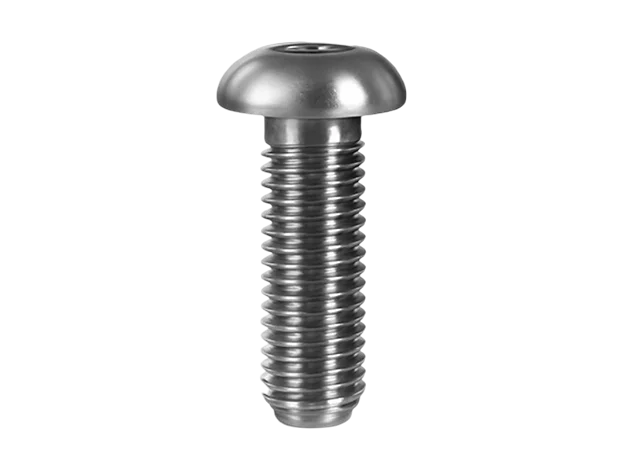
What Are Stainless Steel Stud Bolts?
Stainless Steel Stud Bolts are threaded fasteners that typically have external threads along part or all of their length. They are commonly installed with two compatible nuts, although the exact arrangement depends on the assembly design.
Unlike conventional hex bolts, which generally have an integrated head, stud bolts provide threaded engagement at the ends or along the body. This design can be useful for flange connections, equipment mounting, and assemblies that require a removable threaded fastening arrangement.
Stud bolts are widely used in industrial environments where material compatibility, thread accuracy, and reliable fastening performance are important. For pressure-containing equipment and critical flange joints, the stud bolt material, nut grade, dimensions, and tightening procedure must meet the applicable specification.
Key Features and Benefits of Stainless Steel Stud Bolts
- Corrosion resistance: Stainless steel grades provide different levels of resistance to corrosion depending on the environment.
- Threaded fastening design: Allows compatible nuts or threaded components to secure an assembly.
- Versatile configurations: Fully threaded and other stud designs suit different engineering requirements.
- Industrial applications: Used across machinery, equipment, fabrication, and selected piping systems.
- Material options: Common stainless steel grades may include SS 304 and SS 316, subject to availability.
- Specification-based selection: Diameter, length, thread, grade, and standard can be matched to project requirements.
- Maintenance access: Stud-type connections can be useful in assemblies requiring periodic disassembly.
Actual performance depends on the fastener grade, dimensions, thread engagement, mating components, installation procedure, and operating conditions.
Applications of Stainless Steel Stud Bolts
Oil and Gas Industry
Used in specified equipment and flange assemblies where the stud bolt material and mechanical properties meet the relevant project requirements.
Chemical and Process Industries
Selected stainless steel stud bolts may be used in equipment and piping assemblies exposed to process media, subject to corrosion compatibility and engineering specifications.
Power Generation
Applied in compatible equipment, piping, and mechanical assemblies according to design and material requirements.
Industrial Machinery
Used for mounting components, joining equipment sections, and securing mechanical assemblies.
Construction and Fabrication
Suitable for selected structural fixtures, fabricated equipment, and industrial installation projects when the specified fastener is appropriate for the design.
Marine and Coastal Applications
Appropriate stainless steel grades may be used in selected marine-related assemblies. Grade selection must account for chloride exposure and the risk of localized corrosion.
General Engineering and Maintenance
Used for equipment repairs, replacements, and assembly work requiring compatible stud-type fasteners.
Choose the Right Stainless Steel Stud Bolt
- Choose the material grade: Select the grade according to corrosion exposure, mechanical requirements, and the applicable specification.
- Confirm the diameter and length: Match the dimensions to the assembly drawing or fastener standard.
- Specify the thread system: Identify the thread diameter, pitch, profile, and whether metric or inch-based threads are required.
- Determine the thread configuration: Confirm whether fully threaded or partially threaded stud bolts are required.
- Check the applicable standard: Industrial flange and pressure-containing applications may require specific dimensions, material properties, and testing.
- Select compatible nuts: Ensure the nuts have the correct thread and suitable material and mechanical properties.
- Review operating conditions: Consider temperature, corrosion exposure, pressure-related design requirements, and loading.
- Confirm tightening requirements: Follow the specified tightening procedure, lubricant requirements, and torque or tension method where applicable.
- Verify documentation: For critical applications, confirm required material test certificates, traceability, and inspection documentation before ordering.
For pressure-containing, structural, or safety-critical connections, use only fasteners that meet the governing engineering specification. Do not select stud bolts by stainless steel grade alone.
Frequently Asked Questions (FAQs)
Common questions about Sunmach Stainless Steel Stud Bolts
Stainless Steel Stud Bolts are used to fasten compatible components in machinery, equipment, flange connections, and industrial assemblies. They are commonly paired with compatible nuts according to the joint design.
A conventional hex bolt generally has an integrated head and a threaded shank. A stud bolt typically has external threads without an integrated bolt head and is secured using nuts or threaded components, depending on the design.
SS 304 and SS 316 are common stainless steel options for industrial fasteners. Availability depends on the required dimensions and product specification, so confirm the exact grade with Sunmach.
SS 316 contains molybdenum, which improves resistance to certain corrosive environments. SS 304 is commonly used for general applications, while SS 316 may be preferred in selected more corrosive environments. The correct choice depends on the service conditions.
They can be suitable when the stud bolts, nuts, dimensions, material properties, and installation procedure comply with the applicable flange and equipment specification. Not every stainless steel stud bolt is suitable for every pressure-containing joint.
Stud bolts are specified in various diameters, lengths, and thread configurations. The actual range depends on product availability and the applicable standard.
Compatible nuts may be required as part of the fastening assembly. Specify the nut dimensions, material grade, and applicable standard so the complete combination can be checked.
Share the required grade, diameter, length, thread specifications, applicable standard, quantity, and intended application. For industrial or critical applications, also include the required documentation and technical drawing.
Enquire About Stainless Steel Stud Bolts
Looking for Stainless Steel Stud Bolts for your industrial or engineering requirements? Contact Sunmach with your required dimensions, stainless steel grade, thread configuration, quantity, and application details to enquire about suitable options and availability.
Sunmach – Stainless Steel Fasteners for Industrial and Engineering Applications.