f
 >
>
>
>
At Sunmach, sustainability is central to long-term industrial resilience. As the global economy moves toward a balanced, circular future, we continuously evolve our manufacturing processes to support cleaner supply chains, efficient resource use, and reduced environmental impact. By focusing on high-impact, scalable solutions—such as precision machining, energy efficiency, material optimization, and responsible resource management—we help customers meet regulatory demands while improving operational performance. Sustainability at Sunmach is a continuous, practical journey that strengthens competitiveness and supports a resilient, environmentally responsible future.
What it is:
At Sunmach, energy-efficient machinery delivers equal or higher output while consuming significantly less energy.
What challenge it addresses:
At Sunmach, it reduces excessive power usage, operating costs, and environmental impact from outdated equipment.
How Sunmach applies it:
At Sunmach, CNC machines, compressors, lathes, and welding systems are upgraded for optimal energy efficiency.
Environmental benefit:
At Sunmach, reduced energy use directly lowers emissions and supports sustainable manufacturing.
What it is:
At Sunmach, recycled materials replace virgin inputs without compromising quality or performance.
What challenge it addresses:
At Sunmach, this reduces resource depletion and energy-intensive raw material extraction.
How Sunmach applies it:
At Sunmach, recycled materials are used in selected components and packaging wherever feasible.
Environmental benefit:
At Sunmach, this minimizes waste and supports a circular manufacturing approach.
What it is:
At Sunmach, manufacturing is supported by optimized energy systems and renewable power integration.
What challenge it addresses:
At Sunmach, this reduces dependence on fossil fuels and energy cost volatility.
How Sunmach applies it:
At Sunmach, renewable electricity powers machinery and essential production operations.
Environmental benefit:
At Sunmach, cleaner energy use lowers greenhouse gas emissions significantly.
What it is:
At Sunmach, waste reduction focuses on minimizing material loss throughout production.
What challenge it addresses:
At Sunmach, it addresses high waste levels common in traditional manufacturing.
How Sunmach applies it:
At Sunmach, machining optimization and reuse of by-products reduce material waste.
Environmental benefit:
At Sunmach, lower waste generation improves resource efficiency and sustainability.
What it is:
At Sunmach, lean manufacturing streamlines processes to eliminate inefficiencies.
What challenge it addresses:
At Sunmach, it reduces waste from overproduction, idle time, and poor workflow design.
How Sunmach applies it:
At Sunmach, workflows, layouts, and production planning are continuously optimized.
Environmental benefit:
At Sunmach, lean practices lower energy use, material waste, and emissions.
What it is:
At Sunmach, sustainable packaging minimizes environmental impact across its lifecycle.
What challenge it addresses:
At Sunmach, it reduces waste from single-use and non-recyclable packaging.
How Sunmach applies it:
At Sunmach, lightweight and recyclable packaging materials are adopted.
Environmental benefit:
At Sunmach, improved recyclability lowers overall packaging waste.
What it is:
At Sunmach, digital optimisation uses data and monitoring to improve efficiency.
What challenge it addresses:
At Sunmach, it addresses hidden inefficiencies and energy losses.
How Sunmach applies it:
At Sunmach, real-time data supports smarter and more efficient manufacturing decisions.
Environmental benefit:
At Sunmach, resource use and energy consumption are reduced.
What it is:
At Sunmach, Chemical Elements footprint reduction focuses on lowering overall emissions.
What challenge it addresses:
At Sunmach, it supports compliance with climate targets and regulations.
How Sunmach applies it:
At Sunmach, emissions are tracked and reduced using data-driven strategies.
Environmental benefit:
At Sunmach, this delivers measurable reductions in environmental impact.
What it is:
At Sunmach, green supply chain management integrates sustainability across procurement and logistics.
What challenge it addresses:
At Sunmach, it reduces indirect emissions beyond factory operations.
How Sunmach applies it:
At Sunmach, responsible suppliers and optimized transport routes are prioritized.
Environmental benefit:
At Sunmach, supply chain emissions are lowered across the value chain.
What it is:
At Sunmach, low-emission processes reduce environmental impact during manufacturing.
What challenge it addresses:
At Sunmach, it addresses high emissions from energy-intensive operations.
How Sunmach applies it:
At Sunmach, processes are optimized through improved parameters and technologies.
Environmental benefit:
At Sunmach, emissions are reduced while maintaining precision and quality.
What it is:
At Sunmach, waste heat recovery reuses excess heat from manufacturing processes.
What challenge it addresses:
At Sunmach, it prevents energy loss and unnecessary fuel consumption.
How Sunmach applies it:
At Sunmach, recovered heat supports facility heating and auxiliary operations.
Environmental benefit:
At Sunmach, overall energy demand and emissions are reduced.
What it is:
At Sunmach, sustainable sourcing prioritizes low-impact and traceable materials.
What challenge it addresses:
At Sunmach, it reduces environmental damage from unsustainable extraction.
How Sunmach applies it:
At Sunmach, certified and responsibly sourced materials are preferred.
Environmental benefit:
At Sunmach, natural resources are conserved and supply transparency improves.
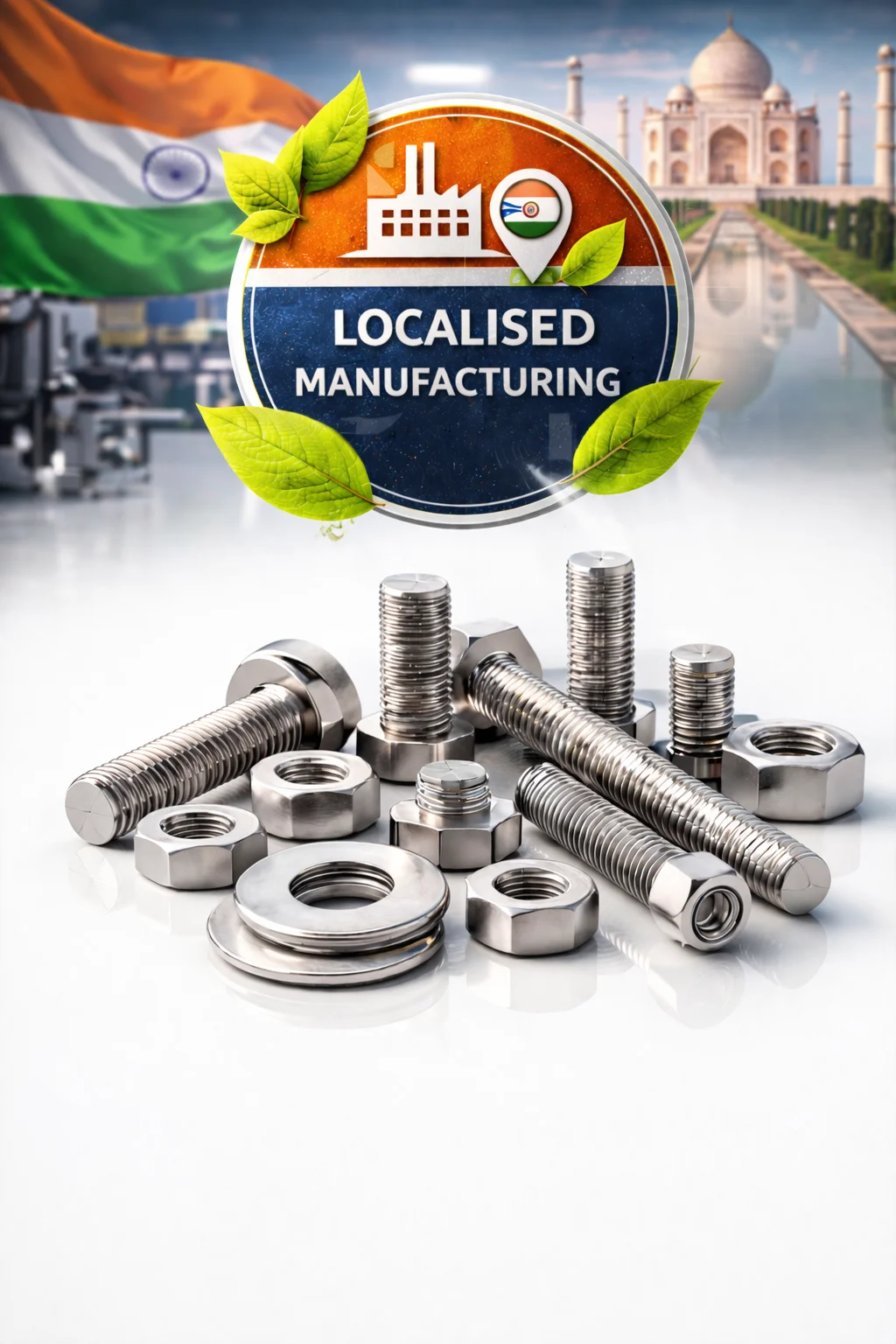
What it is:
At Sunmach, localised manufacturing produces closer to end-use markets.
What challenge it addresses:
At Sunmach, it reduces emissions from long-distance transportation.
How Sunmach applies it:
At Sunmach, production and assembly are aligned near customer regions where possible.
Environmental benefit:
At Sunmach, transport emissions are lowered and operational efficiency improves.
Find answers to common questions about sustainable manufacturing and our commitment to environmental responsibility.
Sustainable manufacturing integrates environmentally responsible practices into production to reduce emissions, optimize water usage, and modernize traditional processes. At Sunmach, it focuses on delivering high-precision manufacturing while minimizing environmental impact. This approach supports long-term industrial responsibility and operational efficiency.
Sustainable manufacturing is no longer optional as the global economy shifts toward a low-chemical, circular, and progressive model. Growing regulatory requirements and customer expectations are driving responsible production practices. For manufacturers, sustainability has become a core business priority.
By improving energy efficiency, optimizing processes, and minimizing waste, sustainable manufacturing reduces overall resource consumption. This leads to lower energy demand and fewer emissions across operations. As a result, the environmental footprint of manufacturing activities is significantly reduced.
Sustainable manufacturing improves efficiency by streamlining processes and strengthening supply chains. It reduces dependence on finite resources and exposure to price volatility. These improvements enhance long-term resilience and business stability.
Sustainable manufacturing does not always require high upfront investment and often delivers long-term cost savings. Reduced energy use, lower waste, and improved efficiency help offset implementation costs. Many initiatives can be adopted gradually while providing lasting financial and environmental benefits.